


Quick Overview: How Far Free Gets You, and Where the Line to Paid Sits
Most people searching "STORES online store" want to know more than just the pricing difference — they want to know exactly how far they can build for free. This guide covers the difference between what you can build on the Free and Standard plans, the basic process of building with STORES's 48 free templates, the custom domain feature, and an honest look at the design-flexibility tradeoffs, viewed from the perspective of someone actually building a store.
How Build Features Differ Between Free and Standard
According to STORES's official site, opening a store costs nothing upfront on either the Free or Standard plan. Product registration, access to the 48 design templates, and pre-order functionality — the core features for laying the foundation of your store — are all available on the Free plan. In other words, you can get all the way to "a fully put-together-looking shop, built for free" without paying anything.
That said, some features clearly differ by plan. The standout example is custom domains. Per STORES's official site, setting up a custom domain (something like "yourbrand.com") is available only on the Standard plan — it can't be configured on the Free plan at all. If you're running your shop as a serious brand, how your URL looks matters for credibility, so the point where you want a custom domain is a natural signal that it's time to consider upgrading.
The Basics of Building With 48 Free Templates
When building your shop's design, you start by picking a template from the 48 available, choosing whichever fits the image of what you're selling. From there, you register basic info like your shop name, a top banner image, and product categories, then fill in photos and descriptions for each product page. You don't need any coding knowledge — just working through the template's framework and filling in information is enough to produce a polished-looking shop page, which is a big part of what makes STORES easy to get started with.
A Feature That Helps People Actually Find You
Slightly separate from the building process itself, STORES's official site states it offers integration with Google Merchant Center, which, once connected, gets your product images showing up in Google search results. It's worth keeping in mind that this kind of acquisition-adjacent feature comes standard, rather than treating the build as finished the moment your shop goes live — findability in search results matters just as much once you're done building.
The Design-Flexibility Tradeoff
The ease of building by simply picking a template is one of STORES's biggest strengths, but the flip side is that design flexibility has real limits. You can adjust the layout within a template's framework, but if you want to achieve something more elaborate that fundamentally changes the template's underlying structure, you may run into constraints. For businesses that want to code and customize a design entirely on their own terms, the very fact that it's a template-based service can work against them. This tradeoff isn't unique to STORES — it's common to any service built around picking a ready-made template to get started quickly — so whether you prioritize ease over flexibility is really what determines whether a service like this fits you.
A Practical Way to Build, Given the Tradeoffs
Taken together, building on STORES suits a "launch quickly and cheaply with a template, then adjust from there" approach. A practical way forward is to actually lay out some products, get a feel for how you want to run the shop, and then consider upgrading once you hit a point where you need Standard-only features — a custom domain, or POS integration if you run a physical location. Understanding the design-flexibility limits going in, and weighing them against the benefit of getting something live quickly, is what determines whether STORES is the right fit for you.
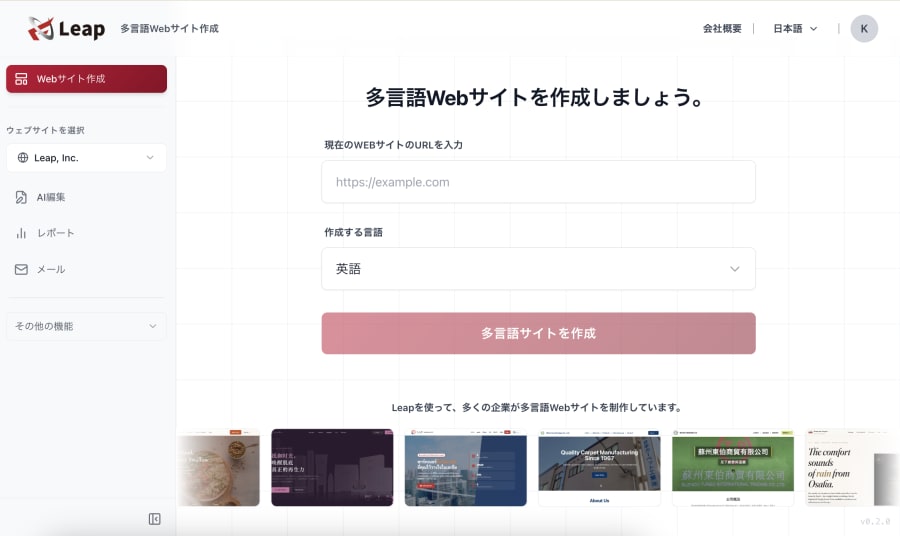
Building the store itself is only preparation for starting the business. After laying out your template and products, the real work is growing sales from there — which takes an acquisition mindset you can't skip. Leap's AI E-Commerce Agent is built around the idea of supporting everything from building your store through running it and driving acquisition through conversation with AI, with an eye toward the challenges that come after the build.
FAQ
Q. Can I launch a fully functional store on the Free plan alone?
A. Yes. The core features needed to publish a shop — product registration and access to design templates — are available on the Free plan. Some features, like custom domains, are Standard-only, but a practical approach is launching on Free first and reconsidering your plan once you actually need those extras.
Q. What does my URL look like if I don't set up a custom domain?
A. Without a custom domain, your shop is published under STORES's standard domain structure. If having your own branded URL matters to you, it's worth considering an upgrade to the Standard plan.
Q. Is STORES a bad fit if I want a highly customized design?
A. If you're after an elaborate custom design that goes beyond a template's framework, you may run into real constraints. On the other hand, being able to publish a polished-looking shop quickly with no design expertise required is a major advantage if speed matters more to you than design flexibility.
Summary and Key Takeaway
The answer to "how far can you build on STORES for free" comes down to this: getting your shop published is something you can do almost entirely on the Free plan. Features that matter once you're serious about the business, like a custom domain, are reserved for the Standard plan. Understanding the design-flexibility tradeoff upfront, and deciding whether the ease of getting started outweighs it, is what determines whether STORES is the right choice for you. Building the store is only the starting line — what you do with running and growing it afterward is what actually determines success.
For more on this, see our guide to the basics of how STORES works.
Leap E-Commerce Guide Blog
Request a Demo or Consultation