

Quick Overview: Have You Outgrown "Just Use EMS"?
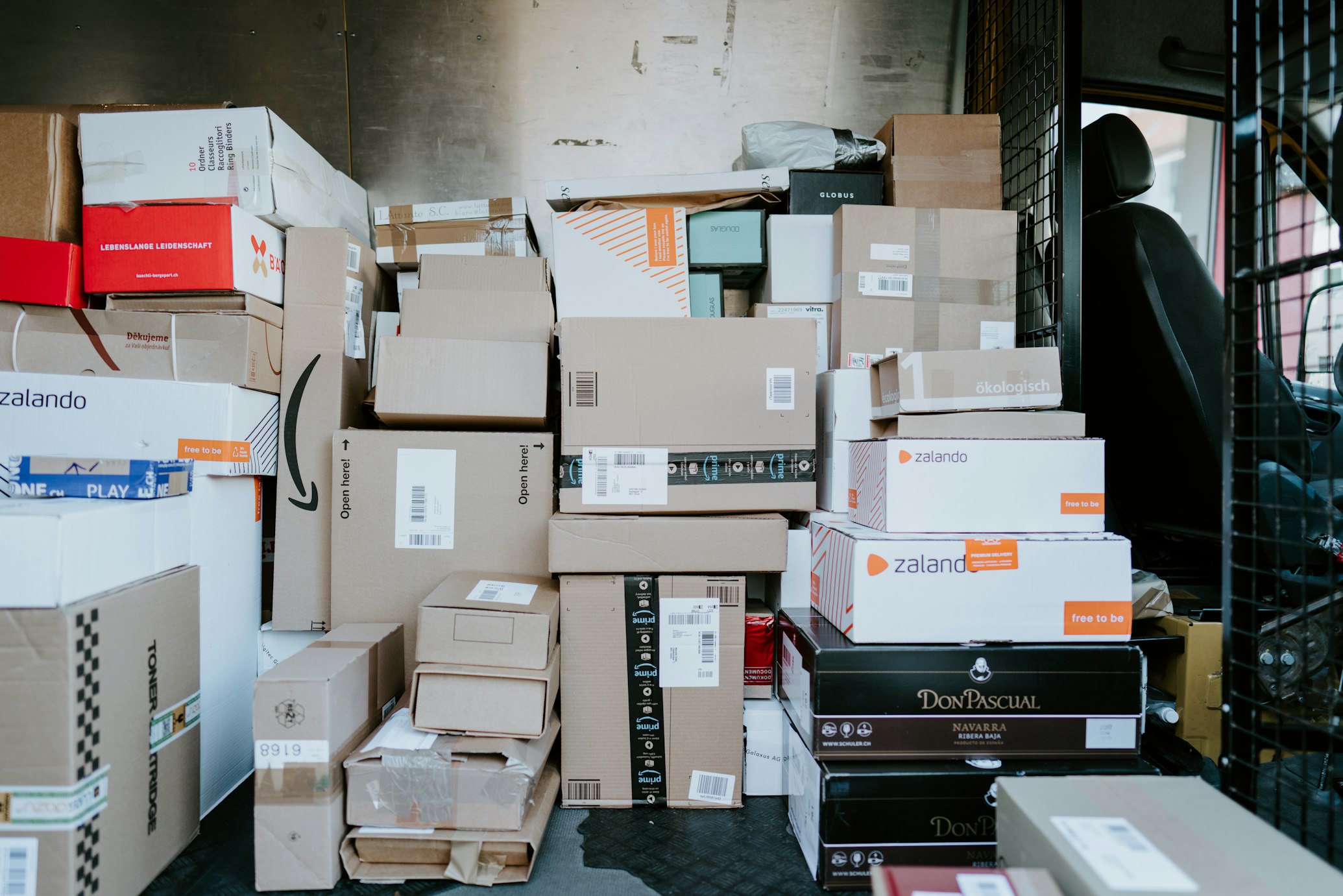
"We just default to EMS for cross-border shipping" — that used to be good enough. But EMS surcharges and rate increases have been rolling out for specific countries and regions in recent years, and choosing a carrier on cost alone no longer tells the whole story. This guide compares the major options — DHL (covering 220+ countries and regions, strong in air freight), FedEx (speed-focused), EMS (cost-effective with solid insurance coverage), and SF Express/4PX (local couriers strong in China and Southeast Asia) — on pricing, delivery time, coverage, and restricted items. We'll also walk through how to choose by product category and the packaging basics that protect shipment quality internationally.
Why It's Time to Reconsider Your Carrier Mix
Most sellers launching cross-border e-commerce start with EMS, since it runs on Japan Post's existing network. The convenience is real — simple procedures, and the ability to ship packages up to 30kg to 120+ countries and regions from Japan.
That said, surcharges have been reported for shipments to specific countries and regions, so "EMS is always cheapest" no longer holds universally. EMS also depends entirely on Japan Post's network, which makes it more exposed to weather disruptions and suspensions tied to international conditions. Optimizing for both cost and reliability increasingly means evaluating private international couriers like DHL and FedEx, as well as region-specialized local carriers, alongside EMS.
Comparing the Major Carriers
Here's how the carriers commonly used in cross-border e-commerce compare on coverage, delivery time, insurance, and restrictions.
| Carrier | Coverage | Delivery Time | Insurance | Notes |
|---|---|---|---|---|
| DHL | 220+ countries/regions | As fast as 2-5 days | Varies by contract (inquire directly) | Strong owned-aircraft air freight network; free standard packaging materials (envelopes, boxes) |
| FedEx | 220+ countries/regions | 1-4 days depending on region | Varies by contract (inquire directly) | Speed-focused, including early-morning delivery options |
| EMS (Japan Post) | 120+ countries/regions | Roughly 2-6 days within Asia | Free up to ¥20,000; paid options up to ¥2,000,000 | Cost-effective with strong insurance coverage; 30kg weight limit |
| SF Express / 4PX | Primarily China and Southeast Asia | Varies by destination | Varies by carrier and contract | Local couriers with strong last-mile coverage in China and Southeast Asia |
As a reference point on pricing: Japan Post's published EMS rate for Zone 1 (which includes China, South Korea, Taiwan, and also covers Singapore and Hong Kong) lists a rate of ¥3,400 for packages up to 2kg. DHL and FedEx pricing, by contrast, is weighted more heavily toward contract-based and volume-based quotes that vary by package size, weight, and destination — so getting quotes from multiple carriers is the practical way to compare.
For items with built-in batteries — power banks, beauty devices with batteries, battery packs in precision equipment — every carrier applies detailed rules on eligibility and packaging conditions based on international air transport safety regulations. Don't assume that because something shipped before, it will ship the same way next time; check each carrier's current rules for your specific product before every shipment to avoid customs issues or returned packages.
What to Consider for Singapore, Hong Kong, and Taiwan
Singapore, Hong Kong, and Taiwan all fall within EMS's nearer rate zones from Japan, which tends to work in your favor on both delivery time and price compared to more distant destinations. Private couriers like DHL and FedEx, on the other hand, have pricing structures that vary considerably by weight tier and add-on services (time-specified delivery, insurance, etc.), so it isn't accurate to assume DHL is always more expensive than EMS. For small, light shipments, EMS's cost advantage tends to show up clearly; for high-volume or speed-sensitive shipping, the discount rates available through corporate contracts with DHL or FedEx can make more of a difference. The practical approach is to get quotes from multiple carriers periodically, matching your decision to your actual shipping volume, typical product weight, and delivery-speed requirements.
Choosing a Carrier by Product Category
The right carrier depends heavily on what you're shipping.
- Cosmetics: Depending on contents, these can fall under liquid or aerosol restrictions — prioritize carriers with a proven track record handling hazardous-materials and restricted-item guidelines.
- Apparel: Typically low-value and lightweight, which makes EMS's balance of cost and insurance coverage a common fit.
- Precision equipment: Often includes built-in batteries or high-value items — prioritize insurance ceiling amounts and cushioning during packing, which tends to favor DHL or FedEx for their tracking precision.
- Food: Sensitive to expiration dates, temperature control, and destination-country food import regulations — weigh both delivery speed and customs-clearance track record.
Regardless of category, the realistic approach is to compare carriers around three factors — your shipping volume, price point, and how much insurance coverage matters if a claim comes up — and plan to use multiple carriers rather than committing to just one.
Packaging Basics: Quality Is Decided Inside the Box
Choosing the right carrier matters just as much as packing correctly. International shipments tend to be handled more roughly than domestic ones, and travel farther in the process, so following these basics helps prevent damage claims.
- Double-pack fragile items: Wrap fragile products individually in cushioning material, then pack them again inside an outer box, and add a "Fragile" label.
- Eliminate gaps: Empty space inside a box lets contents shift during transit, which is a common cause of damage. Fill gaps with cushioning material so nothing can move inside the box.
- Guard against moisture: For moisture-sensitive items like clothing or books, bag them in plastic before packing to protect against condensation and humidity during transit.
- Use sturdy boxes: Choose high-strength corrugated cardboard, and tape the bottom seam in an H-pattern to prevent both water intrusion and box collapse.
DHL offers free standard packaging materials — envelopes and boxes sized to its own rate structure — through some of its services. Using genuine carrier materials makes it easier to pack to spec, which can reduce the risk of surcharges or damage from under-packaging. When comparing carriers, it's worth weighing this kind of packaging support alongside price and delivery time.
FAQ
Q. EMS or an international courier like DHL/FedEx — which should I choose?
A. If your shipping volume is low and you're prioritizing the balance of cost and insurance coverage, EMS tends to be the common choice. If you're shipping in volume, prioritizing speed, or need precise tracking, DHL or FedEx can come out ahead once corporate-contract volume discounts kick in. Getting quotes from both and matching the decision to your shipping volume and product characteristics is the recommended approach.
Q. Can any carrier ship products with built-in batteries?
A. Eligibility varies by carrier, and further by the specific product type, quantity, and packaging method — there's no single "yes" or "no" answer across the board. Always check each carrier's current official guidelines, or contact them directly, before shipping.
Q. Is delivery to Singapore, Hong Kong, and Taiwan always reliable?
A. All three fall within EMS's nearer rate zones from Japan, which tends to work in your favor on both delivery time and price. That said, weather and international conditions can cause delays with any carrier, so building in delivery-time buffers and having a customer-communication plan ready for delays is key to running this reliably.
Summary and Key Takeaway
Choosing a carrier for cross-border e-commerce is no longer as simple as defaulting to EMS. DHL and FedEx bring speed, EMS brings a strong balance of cost and insurance coverage, and local couriers like SF Express/4PX bring region-specific strength — understanding what each does well lets you match the carrier to the product and shipping volume rather than picking one option for everything. And no matter how well you choose a carrier, packaging quality is what ultimately prevents damage claims. Carrier selection and packaging quality are best thought of as one design problem, not two separate decisions.
That said, comparing carriers and building out a solid packaging process takes real time and expertise. Leap supports the full picture — from building multilingual e-commerce sites to web marketing for overseas markets — as a one-stop service. If you're rethinking your cross-border logistics setup, take a look at what Leap offers.
We publish a wide range of practical guides on international business and e-commerce operations.
Leap International Business Guide Blog
Request a Demo or Consultation
References
- Comparing 6 International Courier and EMS Providers by Use Case - Ul-Logi
- A Complete Comparison of Cross-Border E-Commerce Shipping Methods - Ship&co
- DHL vs. FedEx vs. EMS: How to Choose for International Shipping - hunade
- A Guide to Cross-Border E-Commerce Logistics and Carrier Selection - Pochi Logi (BE FORWARD)
- Packaging Basics for Cross-Border E-Commerce - Live Commerce
- FedEx vs. DHL: Pricing, Delivery Time, and Service Differences - Live Commerce
- International Mail Rate Table (EMS) - Japan Post