
EC Packaging Best Practices | Reducing Damage and Returns Through Smart Material Selection and Workflow
[Quick Summary] Why Poor Packaging Quietly Erodes EC Profits — and What You Can Fix Right Now
In e-commerce operations, attention tends to flow toward order management and customer acquisition. Packaging gets treated as an afterthought — "just put the product in a box and ship it." But packaging quality has a measurable impact on customer satisfaction, return rates, brand perception, and shipping costs.
This article covers material selection by product category (fragile items, apparel, food, electronics, liquids), cushioning types and how to use each one correctly, box size optimization for shipping cost savings, and damage-prevention techniques — including why eliminating empty space matters, how to position items by weight, and which tape to use. We also go into how to build a packaging manual that stabilizes quality across your team, and how packaging can become a brand experience through thoughtful presentation and inserts.
For EC businesses shipping thousands to tens of thousands of orders per month, even a small inefficiency per package compounds into significant annual losses. Reframing packaging from a cost center to a customer experience design opportunity is one of the most direct paths to improving margins and repeat purchase rates.
Three Ways Poor Packaging Damages Your EC Business
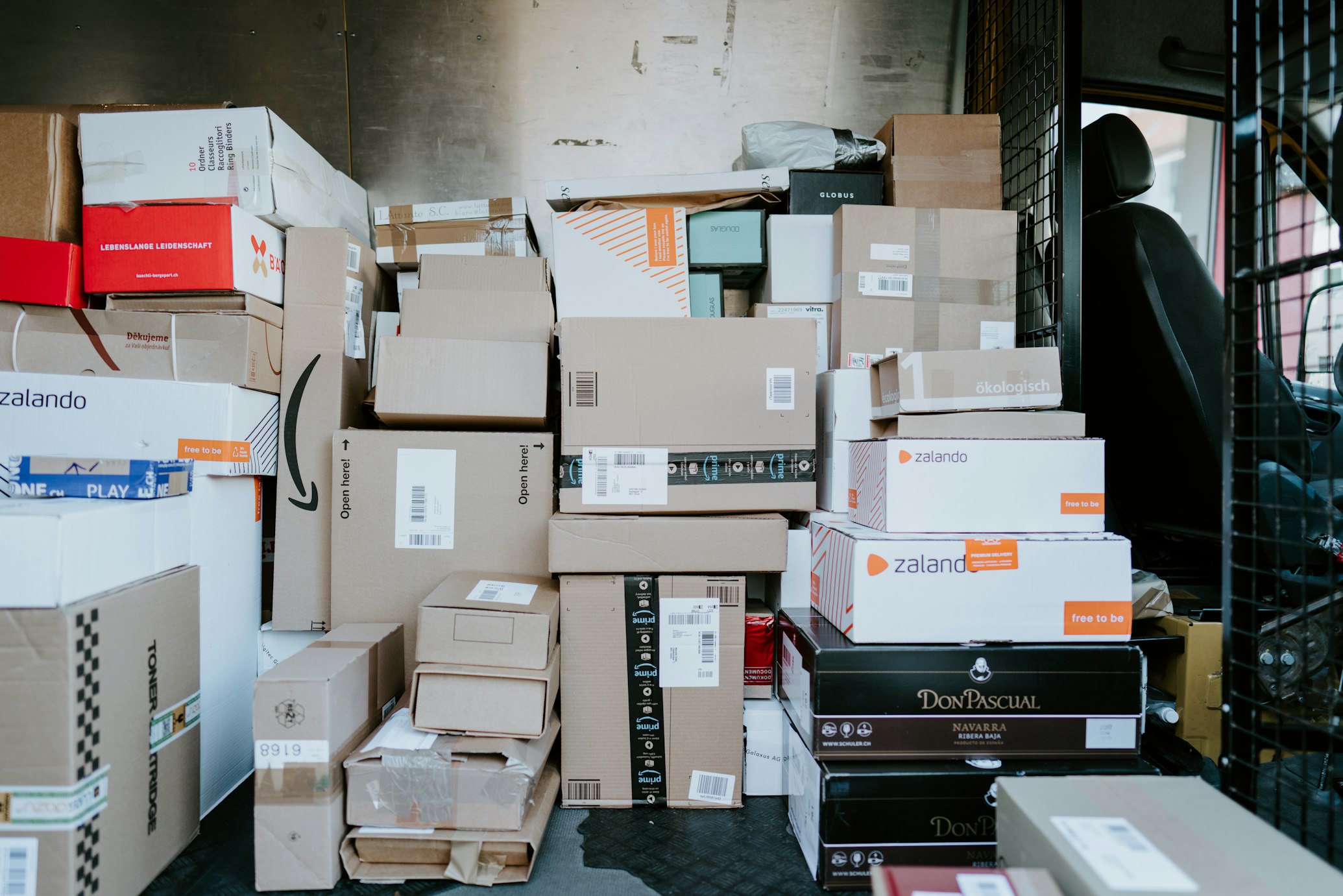
Few EC operators can honestly say they've never had a packaging-related issue. Damage in transit, soiled products, crushed boxes — these aren't rare events for high-volume shippers. They happen at a predictable rate.
The most direct cost is returns and exchanges. Reshipping a product means paying for shipping and materials again, plus the customer service labor to handle the complaint. A one-percentage-point increase in return rates can translate to millions of yen in additional annual costs for businesses at meaningful scale.
The second cost is to reviews and word-of-mouth. A customer who receives a damaged product writes about it. On platforms like Amazon or Rakuten, negative reviews directly suppress conversion rates for new shoppers — meaning packaging failures compound into acquisition cost increases as well. The unboxing moment is literally the first physical impression customers have of your brand.
The third and often overlooked cost is wasted shipping spend. Using boxes that are significantly larger than necessary pushes packages into higher size-based shipping tiers, and requires more cushioning material to fill the empty space. Packaging optimization is one of the highest-leverage areas for cutting costs without sacrificing quality.
Material Selection Guide by Product Category
The foundation of good packaging is matching materials to product characteristics. Applying a one-size-fits-all approach across product types will always create gaps somewhere. Here's how to think about material selection by major product category.
Fragile Items: Glassware, Ceramics, Pottery
This category demands the most careful handling. The basics: wrap each item individually in bubble wrap, and pack sufficient cushioning on all sides — top, bottom, and all four walls. For tall vertical items like glasses or vases, always pack them standing upright; laying them on their side concentrates pressure on contact points and increases breakage risk. Use double-wall corrugated cardboard rather than single-wall to handle impact. Single-wall boxes simply don't provide adequate protection for fragile goods.
Apparel and Fashion
Apparel has a low breakage risk, but water damage and wrinkle prevention are the key concerns. Use moisture-resistant OPP plastic bags for the inner layer, then outer packaging of a poly mailer or thin cardboard box. For higher-priced items like jackets or coats, lay them flat with a cardboard backing to prevent creasing, or use a garment box — the condition in which the item arrives makes a noticeable difference.
Food — Shelf-Stable and Refrigerated/Frozen
For shelf-stable food, prioritize moisture resistance and airtight sealing. Items with liquid content or sauces should always be double-bagged in plastic before boxing. Refrigerated and frozen goods require gel ice packs and insulated polystyrene boxes, with the insulation capacity matched against the expected shipping time. For summer months, increase the quantity of ice packs — build seasonal variation into your packaging manual to maintain consistent quality year-round.
Electronics and Precision Equipment
For items sensitive to static electricity — smartphones, cameras, computer peripherals — use anti-static bags (typically pink or black polyethylene) first. Then wrap the bagged item in bubble wrap and place it in a cardboard box, filling all remaining space with air pillows or paper cushioning. When original retail boxes are available, use them as inner boxes and add an outer shipping box — the double-box method. Ensure the inner box cannot move inside the outer box by securing all gaps with cushioning.
Liquids, Cosmetics, and Skincare Products
Liquid leaks don't just ruin the product — they contaminate everything else in the package. Cap all openings and secure with tape, place in a sealed plastic bag, then box. Always pack liquid products upright, not on their sides. Glass bottles (perfumes, serums) should be treated like fragile items and wrapped in bubble wrap accordingly.
Cushioning Types and When to Use Each
Cushioning is often thought of as "filler for empty space," but each type has a distinct role and use case. Choosing the right material for each situation lets you achieve both damage prevention and cost control.
Bubble wrap is the most versatile option — water-resistant and highly effective at absorbing impact. Best for wrapping individual products, it works across categories from fragile goods to electronics. Its downside is bulk — it doesn't fill small gaps efficiently.
Air pillows are inflated plastic cushions ideal for filling large voids in boxes. They're lightweight, inexpensive, and require no prep work, making them efficient in high-volume packing environments. They're not suited for wrapping products directly.
Paper cushioning (kraft paper, void fill paper) is gaining traction as sustainability expectations grow. Paper-based options are often made from recycled materials, easy for consumers to sort for recycling, and can serve as part of a brand's environmental messaging. Many businesses are actively replacing plastic-based cushioning with paper alternatives.
Polystyrene foam combines insulation and impact absorption, making it the standard choice for frozen food shipping. It can be molded into custom shapes for specific products. Its disadvantage is environmental — disposal is difficult, and it's increasingly scrutinized under sustainability frameworks.
Foam padding and molded inserts are typically used for precision equipment and high-value items. Custom-cut foam immobilizes the product completely during transit. Cost is higher, but the damage risk reduction justifies it for the right products.
Box Size Optimization and Shipping Cost Reduction
Shipping fees typically represent the largest component of packaging cost — more than materials. Because carrier pricing in Japan is based on the sum of the three dimensions (length + width + height) and weight, box size selection directly determines your shipping rate.
Using a box significantly larger than the product drives up both material cost (more cushioning needed) and shipping costs (higher size tier). Too small, and there's not enough room for cushioning, increasing damage risk.
The ideal is a box where the product plus cushioning fits snugly. Practically, the best approach is to standardize on three to five box sizes based on your most frequently shipped products, and define in your packaging manual which box size applies to each product.
For small, flat products that fit within A4 dimensions and 3cm thickness, flat-rate postal options (such as Yu-Packet, Click Post, or Nekopos in Japan) offer dramatically lower rates than standard courier services. Accessories, books, and small skincare items are good candidates for this option — it's worth actively evaluating for eligible products.
Three Damage-Prevention Techniques That Actually Work
Even the best materials won't prevent damage if the packing method is wrong. Here are the most common field failures and how to fix them.
Zero Empty Space Is Non-Negotiable
Any empty space inside the box means the product can shift during transit and hit the box walls. After filling, give the box a gentle shake — if you feel or hear movement, add more cushioning. When the box is sealed, the material on top should push back slightly against the flaps. That resistance is your indicator of correct fill density.
Heavy Items Always Go on the Bottom
When multiple items are packed in one box, heavier items go on the bottom and lighter items go on top. Reversed, the heavier item crushes what's beneath it. When the weight difference between items is significant, consider double-boxing — wrapping items individually before combining them.
Tape Selection and Application Matter More Than You Think
The type and placement of sealing tape significantly affects box structural integrity. For lightweight packages, a single center strip (the "I" method) may be sufficient. For moderate weights, use the H-tape method (center strip plus short strips across both ends). For heavy items, use the cross-tape method (center strip plus a perpendicular center strip). For materials: OPP tape (clear polypropylene) is strong and moisture-resistant, good for heavy items and humid environments. Kraft tape is general-purpose and the most common choice. Cloth tape is the strongest option, recommended for heavy shipments and those expected to be stacked repeatedly in transit.
Standardizing Packaging Through a Written Manual
As an EC business scales and fulfillment volume grows, packaging becomes a multi-person operation. That's when inconsistency becomes a problem. Experienced staff pack well; new hires and seasonal workers during peak periods may not — this kind of quality dependency on individual skill is a challenge most growing EC operations face.
The fix is a packaging manual. Document for each product category: the type and size of box, the type and quantity of cushioning, how and where to apply tape, and what inserts to include. Add photos or diagrams wherever possible. The goal is consistent output regardless of who's doing the packing.
Workflow design matters just as much. Lay out the workspace so product retrieval, packaging materials, and the sorting area after sealing are in a linear flow. Optimizing the physical layout alone can reduce per-order packing time significantly — a 20–30% throughput improvement before peak season is not uncommon just from this.
At sufficient shipment volumes, automated packaging equipment becomes worth evaluating. Systems that automatically form and seal boxes to match product dimensions require upfront investment but deliver long-term labor savings and quality consistency at scale.
Advanced Examples: Brands That Turned Packaging Into a Brand Experience
Packaging is the last physical touchpoint before your product reaches the customer's hands. Here's how some brands have designed that moment intentionally.
The North Face uses FSC-certified corrugated cardboard (sourced from sustainably managed forests) as a direct expression of their outdoor brand values. The moment a customer opens the box, the brand's commitment to sustainability is tangible — and it supports high brand loyalty.
In Japan, D2C skincare brand BULK HOMME has built a reputation for immaculate consistency in its packaging aesthetic — a clean, minimalist presentation in brand colors that extends from the mailer to every element inside. The experience of opening the package — "this is something different" — has driven a significant volume of unboxing content on social media, generating organic word-of-mouth at no marginal cost.
Inserts are another effective tool. Including a usage guide card for the purchased product, a discount coupon for the next order, or a sample of a new product turns a transactional delivery into a moment of relationship-building. Even a handwritten-style message card — which costs virtually nothing — can meaningfully change how a customer feels about receiving the package.
FAQ
Q. I'm using cushioning but still getting damage complaints. What could be causing it?
A. Three causes account for most cases. First, the box has empty space even though cushioning is present — the product is shifting and hitting the walls. Fill density matters more than cushioning type. Second, the box strength is insufficient — if you're using single-wall corrugated for heavy or precision items, switch to double-wall. Third, the tape application is inadequate for the weight — the box may be opening in transit. Review these three points first.
Q. I want to reduce packaging material costs. Where should I start?
A. Start by auditing your box sizes. Oversized boxes drive up both shipping costs (higher size tier) and material costs (more cushioning required). Analyze your shipment patterns and consolidate to boxes that match your most common product sizes — this alone typically reduces both material spend and shipping fees. As a second step, switching from plastic-based cushioning to paper alternatives (kraft paper, paper void fill) reduces cost while supporting a sustainability message.
Q. We're outsourcing fulfillment to a 3PL. How do we maintain packaging quality?
A. Prepare a packaging specification document before you hand off operations. Define the box size, cushioning type and placement, tape method, and insert contents in writing, share it with the fulfillment provider, and get their agreement. In the initial phase after launch, request sample packages to review before going live at full volume. Building a regular quality check process into the spec document helps maintain standards over time.
Conclusion: Better Packaging Improves Both EC Margins and Customer Satisfaction
Packaging may seem like a back-office function, but it touches multiple business metrics in ways that are easy to underestimate. Reducing damage and return rates cuts direct costs. A well-designed unboxing experience drives repeat purchases and brand affinity. A packaging manual and optimized workflow directly support throughput and quality stability during peak periods.
To recap: matching materials to product characteristics is the foundation. Using the right cushioning type prevents damage without over-spending on materials. Box size optimization reduces shipping costs. Correct tape application and zero-gap filling determine field-level quality. Standardizing through a manual removes skill dependency. And intentional use of inserts turns delivery into a customer relationship moment.
Alongside logistics and packaging optimization, it's worth building a system that encourages customers who've received their order to make their next purchase. Many EC businesses that have locked in domestic packaging and logistics quality are now looking at cross-border and international expansion as the next stage. International shipping requires additional packaging considerations — higher durability standards, customs compliance — but with the right design, high customer satisfaction is equally achievable in overseas markets.
From Leap
Leap provides a SaaS platform that helps small and medium-sized Japanese businesses build locally optimized, multilingual websites and EC stores for overseas expansion — powered by AI agents. We publish ongoing practical resources for EC managers and business owners looking to build on domestic operations and take their first steps into international markets.
Explore more resources on EC operations and overseas expansion: