
【1 Minute Overview】Why Your Shopify Store Isn't Selling — And the Full Picture of How to Fix It
Launching a Shopify store and then struggling with "no traffic," "people add to cart but never buy," or "sales just aren't growing" is one of the most common frustrations among e-commerce managers. This article breaks down the five main reasons Shopify stores fail to sell — and walks through concrete, actionable fixes you can start implementing today.
The first thing to understand is the basic formula that drives e-commerce revenue.
Revenue = Traffic (Sessions) × Conversion Rate (CVR) × Average Order Value (AOV) × Repeat Purchase Rate
Of these four variables, pinpointing exactly which one is underperforming is the essential first step. Throwing tactics at the wall without knowing your specific bottleneck is a reliable way to waste time and budget. Use Shopify's built-in analytics and Google Analytics to identify your store's weak point with data — then act. That data-first approach is the fastest path to results.
This article walks through five dimensions: ① understanding the revenue formula, ② insufficient traffic, ③ cart abandonment, ④ lack of site trust, ⑤ absence of repeat purchase strategies — all backed by real-world examples.
Start Here: The E-Commerce Revenue Formula and Diagnosing Your Store
Revenue Is Determined by Four Variables
For any e-commerce store — not just Shopify — revenue breaks down into "traffic × conversion rate × average order value × repeat purchase rate." If any one of these four is significantly weak, sales won't grow no matter how strong the others are. The common scenario of "I increased ad spend but revenue didn't move" is typically a sign of a CVR or AOV problem, not a traffic problem.
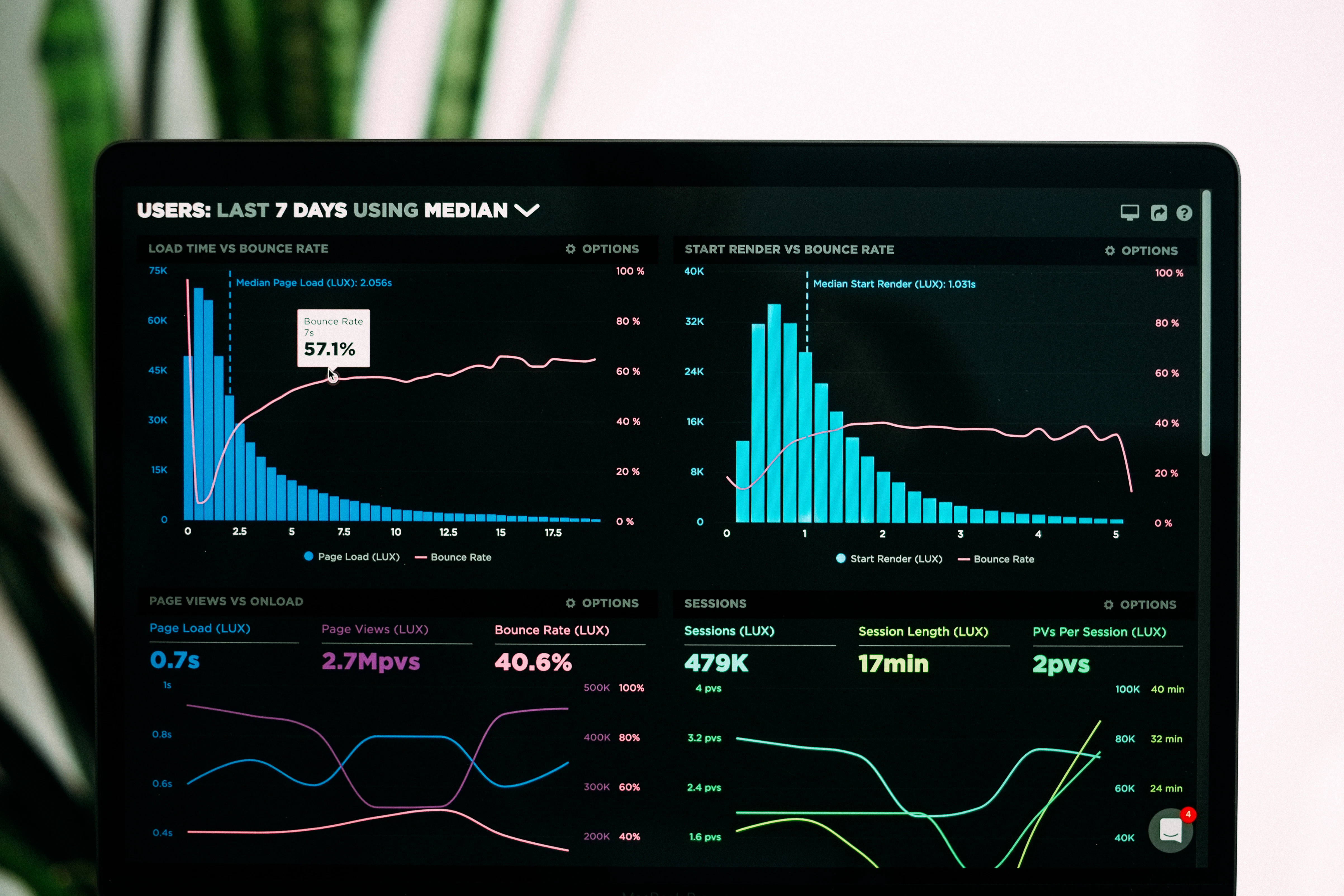
In Shopify's admin, the "Analytics" section lets you track all of these metrics. The three numbers to check first:
Sessions: how many users visit your store per month Conversion rate (CVR): what percentage of visitors actually complete a purchase Cart abandonment rate: the share of users who add items to a cart but leave without buying
The average CVR for Shopify stores is around 1.4% — stores above 3% are in the top 20%. The industry average cart abandonment rate is approximately 70%. Start by comparing your numbers against these benchmarks and use the gaps to prioritize where to focus first.
How to Run the Diagnosis
In Shopify Admin, go to Analytics → Reports and open the Purchase Funnel. Seeing where drop-off is highest immediately tells you whether you have a traffic problem or a CVR problem. Low session counts point to SEO and paid advertising as the priority. Adequate traffic paired with low CVR suggests usability or trust issues on the site.
Reason 1: Insufficient Traffic — Without SEO, Social Media, or Advertising, No One Comes
"Open a Store" Does Not Mean "Customers Come Automatically"
Simply building a Shopify store doesn't bring anyone to it. A physical retail location benefits from foot traffic and location visibility; an online store has no equivalent. Active effort to make the store discoverable is required. In the vast majority of cases where a newly launched store isn't selling, the root cause is simply that total session counts are far too low.
Traffic comes from three main pillars.
SEO (Search Engine Optimization)
Shopify comes with built-in tools for setting meta titles and meta descriptions on product pages and blog posts. The fundamentals: identify target keywords, then weave them naturally into product descriptions and blog content. For new stores, targeting long-tail keywords — specific, descriptive combinations like "organic cotton baby onesie 3–6 months" — is far more achievable than competing for high-volume head terms.
Social Media Marketing
Instagram and TikTok are ideal platforms for showcasing products visually. Regular posting and integration with shopping features can turn followers into prospective buyers. That said, follower growth alone rarely translates directly into revenue — the path from social content to a product page purchase needs to be deliberately designed.
Paid Advertising (Google and Meta)
Shopify offers official sales channels for "Google & YouTube" and "Facebook & Instagram" that sync your store data with both ad platforms in a few steps. Product catalogs connect with Google's and Meta's ad systems in real time, enabling precise targeting of users most likely to convert.
Real-World Example: How Oisix Used Targeting
Oisix, a Japanese meal kit and grocery delivery service, used Facebook's targeting capabilities to grow trial kit purchases by 7.6x year-over-year. By combining new user reach with retargeting of existing customers, the company maximized return on ad spend. The lesson for e-commerce: defining your target audience precisely before running ads makes all the difference.
Reason 2: Cart Abandonment — Don't Let Purchase Intent Slip Away
Cart Abandonment Is E-Commerce's "Hidden Gold Mine"
A customer who adds an item to their cart already wants to buy. When they don't complete the purchase, something in the checkout process is getting in the way. Industry average cart abandonment sits around 70% — which means recovering even a fraction of those abandoned carts can have a significant impact on revenue.
The main reasons customers abandon carts:
Shipping fees are too high, or aren't shown until the final step The preferred payment method isn't available (limited options beyond credit cards) Too many steps to complete a purchase; forms are too complex Forced account registration before checkout Unresolved pre-purchase concerns (unclear return policy, etc.)
Setting Up Automated Abandoned Cart Emails
Shopify has a built-in feature for automatically sending reminder emails to customers who abandoned their carts. In Admin, go to Marketing → Automations and configure an "Abandoned Cart" flow — Shopify will send a timed reminder email automatically.
For more advanced personalization, apps like Klaviyo and Omnisend are the go-to tools. Klaviyo integrates deeply with Shopify data and automatically sends segmented emails based on purchase history and browsing behavior — including the specific product name and image from the abandoned cart. Sending that personalized email within 1–2 hours of abandonment is proven to meaningfully improve recovery rates. Omnisend has strong Japanese-language interface support and offers up to 15,000 emails per month on the free plan. Once the workflow is configured, it runs automatically — minimizing ongoing operational overhead.
Improving the Checkout Experience
Beyond email recovery, revisiting the checkout flow itself is essential. Practical improvements: enable guest checkout, display shipping costs early in the flow, and expand payment options (Apple Pay, Google Pay, convenience store payment, etc.). Adding a live chat option on the checkout page and clearly displaying your return and exchange policy also help eliminate hesitation at the moment of purchase.
Reason 3: Lack of Site Credibility — First-Time Visitors Are Skeptical
No Trust, No Purchase
For any new store without an established reputation, overcoming the customer's instinctive question — "is this site safe?" or "will my order actually arrive?" — is a top priority. Poor design, missing business information, or sparse content will drive up exit rates regardless of how compelling the products are.
Elements to establish that build credibility:
Required Legal Disclosures
In Japan, the Act on Specified Commercial Transactions requires stores to prominently display business name, address, phone number, and return/exchange policies. Beyond legal compliance, complete and transparent disclosures are a meaningful signal of legitimacy to customers. Shopify provides dedicated page templates to make this straightforward.
Customer Reviews and Testimonials
Real buyer reviews and ratings are among the most powerful drivers of purchase decisions. Apps like Product Reviews and Judge.me add review displays to product pages. The more real customer photos and specific comments are included, the more persuasive the page becomes.
Professional Product Photography and Descriptions
Blurry images, sparse descriptions, no sense of size or scale — these product page problems kill purchase intent fast. Multi-angle photography, in-use lifestyle shots, and detailed descriptions of materials, dimensions, and features communicate both the store's credibility and the product's value simultaneously.
SSL and Site Speed
Shopify includes SSL (HTTPS) by default, but slow page load times still drive users away. With mobile users now the majority, Google's mobile-first indexing makes load speed optimization essential — both for SEO performance and first-impression credibility.
Reason 4: Product, Price, and Target Audience Mismatch
"Who Are You Selling to, and What?" Isn't Clearly Defined
When traffic is adequate but sales still don't come, the problem often lies with the product itself or its pricing. Products with no competitive differentiation, prices out of step with the market, and messaging that doesn't match what the target customer is actually looking for are the classic culprits.
Competitive Analysis and Defining Your Differentiation
Research 10–20 competing stores in the same category — look at product ranges, price points, the benefits they emphasize, and what their reviews say. Finding a position competitors haven't claimed, or identifying unmet needs that customers express in reviews, is where a differentiation strategy begins.
Revisiting Pricing and Shipping Fees
When equivalent products flood the market, price competition becomes unavoidable. Rather than simply discounting, a more sustainable approach is bundling added value — gift wrapping, extended warranty, expert support — alongside the price, making the premium clearly justified. On shipping: offering free shipping above a purchase threshold simultaneously raises average order value and reduces cart abandonment.
Redefining the Target Customer Persona
Trying to sell a "product for everyone" to "every kind of buyer" produces messaging so vague it resonates with no one. Define a persona specific enough to describe age, gender, lifestyle, and purchase motivation in concrete terms — then describe the product in language that person would genuinely connect with.
Reason 5: No Repeat Purchase Strategy — Relying Only on New Customers Has a Ceiling
Nurturing Existing Customers Is the Highest-ROI Activity
Acquiring a new customer costs more than five times what it costs to generate a repeat purchase from an existing one. Letting a customer buy once and then go silent is a significant missed opportunity.
Email and LINE Follow-Up
A post-purchase thank-you email, followed by a thoughtful follow-up once the product has had time to be used, deepens the customer relationship at low cost. LINE (Japan's dominant messaging app), with its higher open rates than email, is another effective repeat-purchase channel. Notifying existing customers first about new products or limited-time sales generates revenue without additional acquisition cost.
Loyalty and Points Programs
Shopify apps like Smile: Loyalty & Rewards and LoyaltyLion let you award points for each purchase and let customers redeem them as discounts on future orders. Pairing the program with automated point-expiry reminder emails creates a natural re-engagement trigger.
Subscription and Recurring Orders
For consumable or frequently repurchased products, building a subscription model can dramatically increase customer lifetime value (LTV). Recharge and Bold Subscriptions are the leading Shopify apps for recurring order management.
Frequently Asked Questions (FAQ)
[Question] My store has been live for several months and still nothing is selling. What's going wrong?
[Answer] The most common cause is simply not enough traffic. Building a Shopify store doesn't automatically generate search engine traffic. Start by checking your monthly session count in Shopify Admin → Analytics. If you're under 500 sessions per month, traffic generation needs to come before any conversion or product optimization. Run 2–3 blog posts per month for SEO, promote products on Instagram or TikTok, and test Google Shopping and Meta ads starting with a small budget — pursue these in parallel. SEO typically takes 3–6 months to show results, so paid advertising is the practical way to bridge the gap early on.
[Question] My store gets traffic, but nobody buys. What's the problem?
[Answer] Low CVR is typically caused by insufficient site trust, a complicated checkout flow, or inadequate product descriptions. Check whether product pages include buyer reviews, whether your return and exchange policy is clearly stated, and whether your required business disclosures are complete. Next, enable guest checkout and add payment methods that reduce friction — Apple Pay and Google Pay are the most impactful. Setting up automated abandoned cart emails is also a must to recover some of the visitors who left.
[Question] Which Shopify advertising channel should I start with, and what's a realistic budget?
[Answer] The first choice is between Meta ads (Facebook and Instagram) and Google Shopping ads. Meta ads use interest-based targeting to reach users likely to be interested in your product category — they're well-suited for visual products and building awareness with new audiences. Google Shopping targets users who are actively searching for products with high purchase intent (e.g., searching "product name + buy"). A sensible starting budget is ¥30,000–¥50,000/month for a test period, monitoring CVR and ROAS before scaling up. Both integrate directly with Shopify's official sales channels, with automatic product catalog sync.
Summary — A Shopify Store That Sells Starts with Identifying the Right Problem
"Not selling on Shopify" always has a specific cause. Is traffic too low? Is cart abandonment too high? Does the site lack trust? Are the product or targeting off? Is there no repeat purchase strategy? Start by using Shopify's analytics to check the data and identify your store's specific bottleneck.
The five causes and fixes in this article are all grounded in real practice. Address SEO, social, and advertising; automate cart abandonment emails; improve the checkout experience; strengthen trust signals; design a repeat purchase program — work through them in order of priority, and results will follow.
Once you've built a solid domestic foundation, consider cross-border e-commerce as the next stage. Building a multilingual, locally localized site for global audiences opens up a customer base far beyond what the domestic market alone can offer.
From Leap
Leap publishes practical, ongoing content on multilingual web marketing for small and mid-sized businesses pursuing overseas expansion and cross-border e-commerce. If you're thinking "domestic e-commerce is working — now what about international?", explore these related resources:
Getting Started with Cross-Border E-Commerce & Platform Selection Building Multilingual Sites & Localization Strategy Guides Market Entry Guides for Overseas Expansion
Leap's multilingual website and e-commerce creation platform doesn't just translate Japanese content — it builds pages from the ground up, shaped by the local culture, business norms, and search behavior of each target market. We help you apply the e-commerce expertise you've built domestically to take the next step into global markets.
References
21 Strategies to Improve Shopify Sales — A Complete Breakdown (Japanese)
Why Your Shopify Store Isn't Selling — And How to Fix It (Japanese)
5 Reasons Your Shopify Store Isn't Selling and Their Solutions (Japanese)
Why Shopify Stores Don't Sell — Causes and Fixes (Japanese)
Shopify Not Selling? How to Identify the Cause and Improve Revenue (Japanese)
5 Reasons Shopify Stores Don't Sell and Strategies to Maximize Revenue (Japanese)
A Guide to Improving E-Commerce Conversion Rates (Japanese)
Google Ads vs. Facebook Ads: Which Should You Choose? (Japanese)
Facebook Ad Success Stories and Best Practices (Japanese)
Strengthening Email Marketing with Shopify Apps (Japanese)